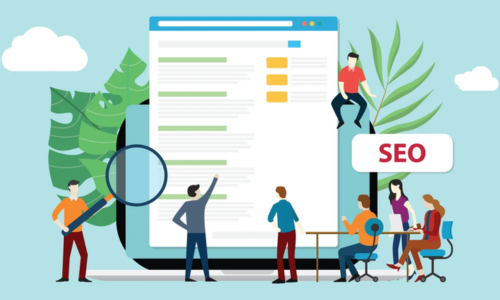
Creating digital asset by step-by-step process of Search Engine Optimization (SEO) to improve a website’s reach using relevant keywords and get higher rankings on search engines like Google
Keyword Research is the foundation of successful SEO. It involves identifying the specific words and phrases (keywords) your target audience uses when searching for products, services, or information related to your business. Using tools like Google Keyword Planner, Ubersuggest, SEMrush, and Ahrefs, you can discover high-volume, low-competition keywords that align with user intent. These keywords help shape your content, meta tags, and overall SEO strategy, making it easier for search engines to understand and rank your website. Effective keyword research ensures your site appears in front of the right audience, increases organic traffic, and improves your chances of generating qualified leads and conversions. Without keyword research, SEO efforts often become directionless and less impactful.

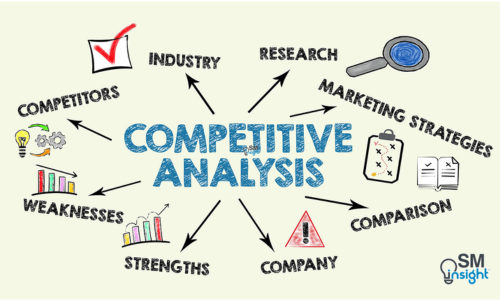
Competitor Analysis is a vital component of effective SEO strategy. By analyzing what keywords your competitors rank for, you gain valuable insights into market demand and discover opportunities your website may be missing. Studying their content strategy reveals what topics resonate with the target audience, how frequently they post, and the formats they use (blogs, videos, guides, etc.). Reviewing backlink profiles helps you identify high-quality link-building opportunities and understand how they’re earning domain authority. Examining page structure—including title tags, meta descriptions, and internal linking—can uncover best practices to improve your own site’s user experience and crawlability. Additionally, assessing their technical performance (such as site speed, mobile responsiveness, and core web vitals) helps you benchmark your site’s health and performance. Overall, competitor analysis provides a roadmap to outperform others in your niche and capture more organic traffic by adopting proven tactics and identifying gaps to leverage.
On-Page SEO is essential for improving your website’s visibility and relevance in search engine rankings. It involves optimizing each webpage’s content and structure to align with search engine algorithms and user intent. Key elements include well-crafted Title Tags that start with your main keyword to signal relevance; Meta Descriptions that are compelling and include target keywords to improve click-through rates; and properly structured Headings (H1, H2, H3) that organize content logically and naturally integrate keywords. A concise, keyword-rich URL Slug helps both users and search engines understand the page topic. Image Alt Tags ensure your visuals are accessible and boost SEO by describing images with relevant keywords. Internal Linking connects related content, enhancing user experience and helping search engines crawl your site more efficiently. Maintaining high Content Quality is vital—each page should offer original, informative, and valuable insights while being keyword-optimized. Lastly, maintaining appropriate Keyword Density (1–2%) ensures your content stays natural and readable while remaining SEO-effective. Together, these strategies build a strong foundation for search engine visibility and user engagement.

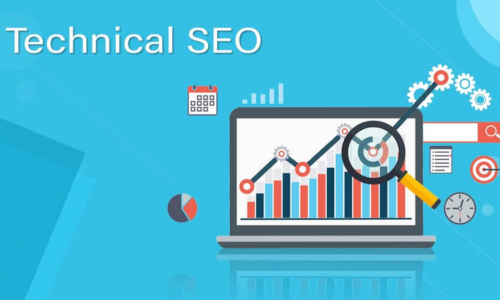
Technical SEO is the backbone of a website’s ability to be properly crawled, indexed, and ranked by search engines. It ensures your site performs well in terms of speed, accessibility, and structural integrity. A mobile-friendly design using responsive layouts is crucial, as Google prioritizes mobile-first indexing—meaning your site must look and function well on smartphones and tablets. Page speed also plays a major role; slow-loading pages frustrate users and are penalized in search rankings. You can boost speed by optimizing images, enabling browser caching, and minimizing unused or bloated code. Having an SSL certificate (HTTPS) not only secures your site and builds user trust, but it’s also a confirmed Google ranking factor. Submitting an XML sitemap to Google Search Console helps search engines efficiently understand and index your website’s structure. Likewise, a well-configured robots.txt file ensures search engines focus on indexing the most important pages while avoiding duplicates or irrelevant content. By addressing these technical aspects, you improve crawlability, user experience, and search visibility—leading to better organic reach and higher rankings.
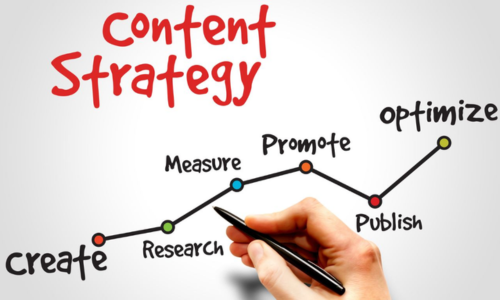
Content Creation Strategy is a core pillar of SEO that directly influences how well your website ranks and engages your audience. Creating high-quality, keyword-targeted content—such as blog posts, FAQs, product guides, and case studies—helps attract organic traffic by answering specific user queries and showcasing your expertise. Each content piece should be aligned with your target keywords and optimized using SEO-friendly headings (H1, H2, H3) to improve readability and relevance for search engines. Incorporating visuals like images and infographics not only enhances user engagement but also increases the time visitors spend on your site, which is a positive signal to search engines. Adding clear, compelling Calls to Action (CTAs) encourages users to take the next step—whether it’s contacting you, subscribing, or making a purchase. Publishing content consistently signals freshness and authority to search engines while keeping your audience informed and engaged. Ultimately, a strong content creation strategy drives visibility, builds trust, and converts visitors into loyal customers.
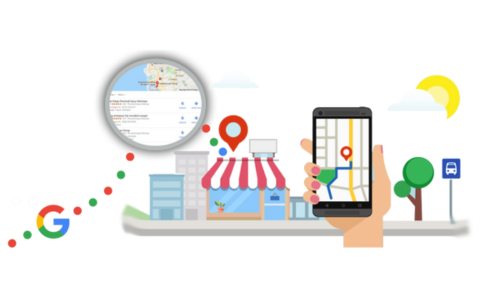
Local SEO is essential for businesses that serve a specific geographic area, as it helps you appear in local search results and on Google Maps when users search for services near them. A critical first step is to set up and fully optimize your Google Business Profile (formerly Google My Business) with accurate business information, categories, photos, and operating hours. Ensuring NAP consistency (Name, Address, Phone Number) across all online platforms—like your website, directories, and social media—builds trust with search engines and improves your local rankings. Encouraging satisfied customers to leave positive reviews not only boosts your credibility but also influences local ranking factors and consumer trust. Additionally, creating content that includes local keywords—such as “Best Ayurvedic Clinic in Ernakulam” or “Top Yoga Studio in Kochi”—helps attract traffic from users in your target area. Local SEO connects your business to nearby customers at the exact moment they’re looking for your services, driving higher-quality leads and increasing foot traffic or direct inquiries.
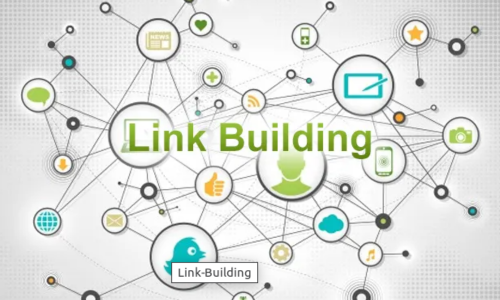
Link Building, a crucial part of Off-Page SEO, plays a significant role in improving your website’s authority, credibility, and search engine rankings. By acquiring high-quality backlinks from authoritative and relevant websites, search engines perceive your content as trustworthy and valuable, leading to better visibility in search results. Effective link building strategies include guest posting on reputable blogs, submitting your site to niche business directories, leveraging partnerships and collaborations with industry leaders, and conducting blog outreach to gain natural mentions and links. It’s essential to focus on quality over quantity—spammy or irrelevant backlinks can harm your SEO and lead to penalties from search engines. A strategic link-building campaign not only boosts your domain authority but also drives referral traffic and strengthens your brand’s online presence.
Monitoring and analyzing your SEO performance is essential to ensure your strategies are effective and driving the desired results. Tools like Google Analytics help you understand user behavior, traffic sources, bounce rates, and conversions, providing valuable insights into how visitors interact with your website. Google Search Console allows you to track keyword impressions, click-through rates (CTR), indexing issues, and site performance in search results—helping you identify and fix technical SEO problems. Advanced tools like Ahrefs or SEMrush offer in-depth analysis of backlinks, keyword rankings, and competitor strategies, enabling you to refine your content and stay ahead in the digital landscape. Regular monitoring helps in making data-driven decisions, optimizing underperforming pages, and aligning your SEO efforts with business goals, ensuring sustained growth and improved search visibility.
Updating and improving website content is a critical ongoing process in effective SEO. Search engines favor websites that stay fresh, relevant, and user-focused. Regularly updating old blog posts with newly researched keywords, refreshing statistics, or adding current examples helps boost their visibility and keeps them competitive in search rankings. Identifying and fixing broken links enhances user experience and prevents negative SEO impact caused by dead ends. Improving weak content—such as thin articles or outdated product descriptions—by adding depth, visuals, or internal links increases engagement and dwell time. Additionally, publishing new content based on current search trends ensures your site remains aligned with user intent and stays ahead of competitors. Consistent content optimization not only enhances search engine rankings but also builds authority and trust with your audience over time.